Winter in Huntsville is beautiful, but your roof feels every storm. If you are buying or selling in 84317, snow load and roof design can shape long-term costs, safety, and value. You want a home that handles heavy, wet snow and freeze–thaw cycles without drama. This guide shows you what to look for, what to ask inspectors and builders, and smart upgrades that pay off over time. Let’s dive in.
Snow load basics in 84317
Huntsville sits in the Wasatch Range foothills, and conditions vary block by block. Elevation, wind exposure, and tree cover change how snow stacks and slides on a roof. Mountain areas in Weber County get heavier, wetter snow and frequent freeze–thaw cycles that stress materials and create ice dams.
Building designs reference ASCE 7 for snow loads and follow the International Residential Code or International Building Code. Weber County adopts versions of these codes, and site-specific design can differ from map values. When in doubt, verify the current edition with the Weber County Building Department or ask for engineer-stamped calculations.
Roof pitch and shape
Roof pitch affects how long snow stays on your home and where it goes.
- Low slope: under about 3:12. Snow tends to linger, so framing and waterproofing must be robust.
- Moderate slope: about 4:12 to 6:12. Balanced performance with fewer abrupt slides than very steep roofs.
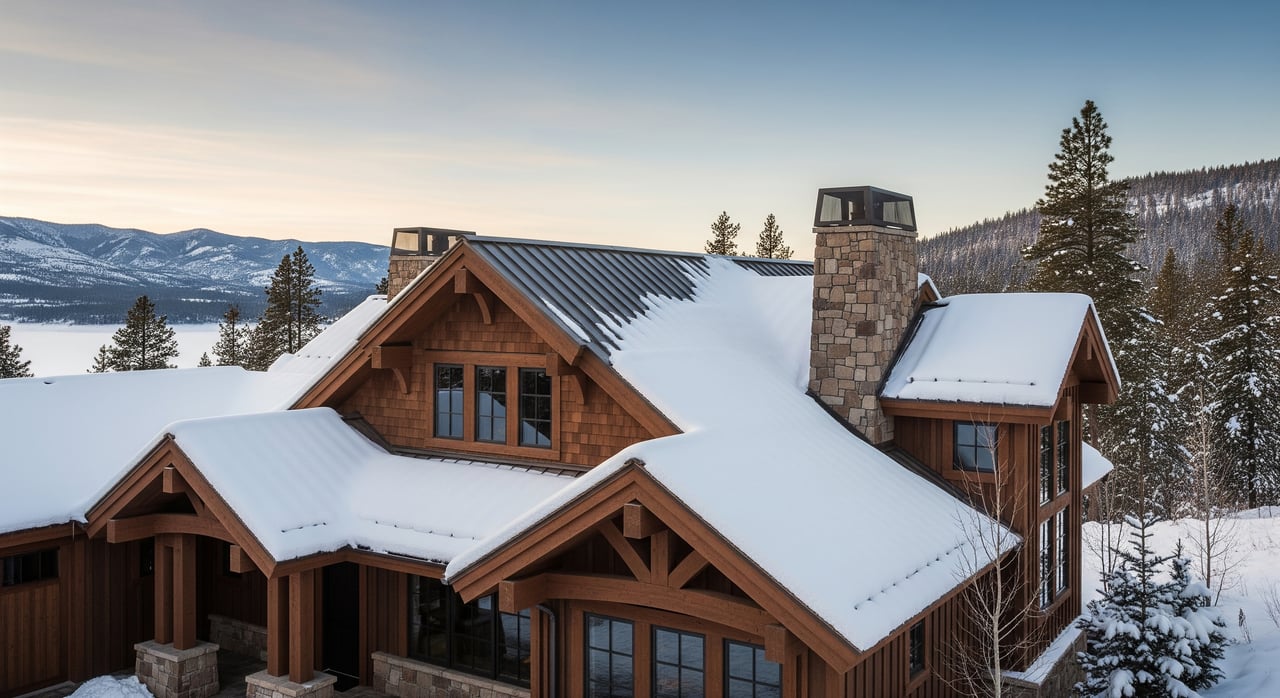
- Steep slope: greater than about 6:12. Snow sheds quickly, which reduces sustained loads but can create hazardous slides near entries and walkways.
Complex shapes with valleys, hips, dormers, and long eaves can create drift zones and ponding. Valleys are frequent trouble spots that deserve extra attention during inspection.
Structure and load capacity
A well-designed structure carries snow safely and resists drift buildup.
- Trusses vs. rafters. Many newer homes use engineered trusses. Older homes with rafter framing may have been sized to past standards and could be undersized for today’s site-specific loads.
- Critical details. Rafter or truss size and spacing, ridge beams, collar ties or ceiling joists, and connection hardware all matter. Concentrated loads at parapets, roofs over lower additions, and around mechanical equipment may require local reinforcement.
- What to confirm. Ask whether a qualified inspector or structural engineer has verified the roof for local snow loads and whether any upgrades were permitted and inspected.
Materials and underlayment
Roofing material influences how snow behaves and how long the system lasts.
- Metal roofing. Often sheds snow quickly and has a long life. Because slides can be abrupt, plan for snow guards to protect people and property below.
- Asphalt shingles. Common and cost-effective, but repeated freeze–thaw and manual snow removal can shorten life if not done carefully.
- Wood shakes. A classic mountain look, but they need maintenance and are less ideal where snow is heavy and wet.
- Low-slope membranes. Require strong structure to avoid ponding. Persistent snow loads call for excellent detailing and ongoing care.
Underlayment matters. An ice-and-water shield at eaves and valleys is essential in freeze–thaw climates to block water from ice dams and melting snow.
Insulation and ventilation
Ice dams often start inside the house. Warm attic air melts roof snow, which refreezes at the colder eaves.
- Balance is key. Adequate insulation, effective air sealing, and continuous intake and exhaust ventilation keep roof sheathing cool and dry.
- What to look for. Upgraded attic insulation, baffles that maintain soffit-to-ridge airflow, and careful air sealing around penetrations.
- Payoff. Better thermal control reduces ice-dam risk, protects finishes, and lowers energy costs.
Snow retention and safety
Steep metal or smooth roofs can shed snow in large sheets. Plan for people, paths, and landscaping below.
- Snow guards or rails. These systems slow and break up slides on steep surfaces and protect entries, decks, and lower roofs. They must be sized and attached to structure correctly.
- Heat cables. Useful as a targeted, remedial tool at eaves and valleys. Treat them as operational aids, not structural fixes, especially if insulation or ventilation issues persist.
- Access and layout. Roof access, parapet height, and gutter placement affect where you place retention devices.
Drainage and eaves
Water management is as important as structure in a snowy climate.
- Gutters. Expect more ice buildup. They need strong attachment, routine clearing, and inspection after storms.
- Crickets and diverters. Install behind chimneys and near penetrations to push water and snowmelt away from trouble spots.
- Long overhangs. Attractive, but they can worsen ice dams without proper insulation and ice barriers at the eaves.
What to check during inspections
Bring a practical, mountain-minded checklist to showings and due diligence.
Documents to request
- Roof age, original drawings, and roofing material records.
- Permits and inspection sign-offs for the roof, attic insulation, or structural changes.
- Engineer-stamped structural calculations or documentation of snow-load upgrades.
- History of snow or ice damage with photos, invoices, and any insurance claims.
- Manufacturer warranties and whether they transfer to a new owner.
Questions for pros
- Has the roof been evaluated for site-specific snow loads by a qualified inspector or engineer?
- Are there signs of structural stress such as sagging, bowed members, or cracked finishes?
- Is there adequate ice-and-water barrier at eaves and valleys?
- Is attic insulation and ventilation sized for this climate and current code?
- Are snow guards present and correctly installed for this roof type?
- For second homes, any signs of deferred maintenance such as ice-dam damage, clogged gutters, or pests?
Red flags on site
- Interior. Ceiling or attic water stains, plaster cracks, nail pops, or localized sagging.
- Attic. Light shining at eave vents indicating air leakage, wet insulation, frost on framing, or past water entry near eaves and penetrations.
- Exterior. Bowed or cracked fascia, split shingles, repeat patching in valleys, deformed gutters, or displaced fasteners.
- After heavy snow. Noticeable sagging between supports or jammed vents.
When to call a specialist
- Visible deformation or suspected under-designed rafters or trusses: consult a licensed structural engineer for stamped calculations.
- Recurrent ice dams or leaks: bring in a roofing contractor experienced in mountain climates and an HVAC or insulation specialist.
- Complex retrofits such as snow guards, structural reinforcement, or re-framing: hire contractors with Wasatch Range experience.
Upgrades and cost-value
A few strategic improvements can lower risk and raise buyer confidence.
Smart upgrades and trade-offs
- Replace roofing material. Upgrading from asphalt to standing seam metal offers long life and better shedding. Plan for snow retention to manage slide hazards.
- Add snow retention. Guards or rails protect people and lower roofs at a relatively modest cost compared with structural work.
- Reinforce framing. Supplemental supports increase safety for extreme events and extend roof life, though they require engineered design and careful execution.
- Improve attic thermal performance. Insulation, air sealing, and ventilation deliver high ROI in cold climates and cut ice-dam risk.
- Add heat cables. Targeted help for eaves and valleys with ongoing operating costs and limited impact if root causes remain.
Maintenance moves
- Inspect roofs and gutters before and after winter each year.
- Keep gutters and downspouts clear and confirm hangers are solid.
- Check attic conditions for moisture, frost, or inadequate ventilation.
- Avoid DIY snow removal unless trained. Use roof-safe tools or hire pros to prevent damage.
- After big storms or drifting, consider professional clearing and a quick evaluation.
Insurance, permits, and resale
- Insurance. Confirm coverage for snow and ice damage and whether your carrier requires code compliance or upgrades.
- Permits. Structural changes usually require permits and inspections from Weber County. Confirm the local process before you begin work.
- Resale. Documented upgrades, recent roof work, and engineer reports build buyer trust and can support value, especially for out-of-state buyers evaluating mountain properties.
Buyer tips for 84317
If you are coming from a lower-snow region, plan for a little extra diligence.
- Request full roof documentation and maintenance history before you write an offer.
- Add a structural review contingency if the home is in a high-snow area or shows signs of stress.
- Schedule a specialty roof inspection with a contractor or engineer who knows Wasatch Range conditions early in due diligence.
Seller prep and value
A few focused moves can calm buyer concerns and streamline negotiations.
- Prioritize attic insulation, air sealing, and ice-barrier detailing. These are cost-effective and address common winter pain points.
- Install snow guards on steep roofs where slides threaten entries or lower roofs. Keep paperwork and photos.
- Collect permits, warranties, and invoices in a single packet for showings and buyer review.
Local resources
- Weber County Building Department for code editions, permit history, and inspections.
- ASCE 7 for snow-load methodology used by engineers and code officials.
- International Residential Code and International Building Code for structural and roofing requirements.
- Licensed structural engineers with mountain and snow-load experience for site-specific calculations and designs.
- Local roofing contractors familiar with Wasatch Range conditions for material selection and installations.
- Insurance agents experienced with mountain properties for policy guidance and underwriting needs.
The bottom line
In Huntsville, roof performance is about more than shingles. Pitch, structure, underlayment, insulation, ventilation, and snow-retention all work together to handle heavy, wet snow and freeze–thaw cycles. When you verify design, document upgrades, and plan smart maintenance, you protect your investment and make your next transaction smoother.
If you want local guidance on what to ask, who to call, and how roof quality affects value in 84317, we are here to help. Connect with Range Realty Co to talk through your plans with a valley expert.
FAQs
What snow load should a Huntsville home be designed for?
- Designs reference ASCE 7 and local code; verify the current edition and site-specific requirements with the Weber County Building Department or a licensed engineer.
Does a steeper roof solve snow problems in 84317?
- A steep roof sheds snow faster, which cuts sustained loads but increases slide hazards; plan for snow guards and protect entries and walkways.
Are heat cables a good fix for ice dams on Huntsville homes?
- Heat cables can help at eaves and valleys, but address core issues first with insulation, air sealing, and ventilation for a lasting solution.
What roofing material works best for the Wasatch foothills?
- Metal sheds snow well and lasts a long time; asphalt shingles are common but need careful maintenance; wood shakes require more upkeep in heavy, wet snow.
What documents should I request before buying in 84317?
- Ask for roof age, permits, inspection records, structural calculations, repair history with photos, and transferable warranties.
When should I call a structural engineer for a Huntsville property?
- Call an engineer if you see sagging, bowed rafters or trusses, cracked finishes, or if the home likely predates current snow-load standards.
How should gutters be managed in a snowy climate like Huntsville?
- Use robust attachments, keep them clear, inspect after storms, and pair with proper eave detailing to reduce ice buildup and leaks.