What if your next home put year-round adventure at your doorstep, with clean modern design and a fairway view to greet every morning? If you are eyeing Eden for its balance of mountain lifestyle and comfort, The Fairways at Wolf Creek deserves a close look. You want a place that works for your life today and for guests tomorrow, without a lot of guesswork. This guide breaks down the neighborhood, home styles, rental considerations, and the key due diligence you should complete before you buy. Let’s dive in.
Location and lifestyle in Ogden Valley
Set in the heart of Ogden Valley, The Fairways at Wolf Creek places you near everything that draws people to Eden. Powder Mountain is the primary winter magnet for skiers and riders. In summer, Pineview Reservoir offers boating, swimming, and fishing, which keeps demand steady beyond ski season. That combination is a big reason many buyers explore both personal use and rental options here.
You are also close to the daily services you need. Ogden and Huntsville offer groceries, medical services, and convenient access to regional transportation. For larger trips, the Salt Lake City metro is within reach for occasional travel. The result is mountain living that still connects you to the essentials.
Mountain-modern homes and design
Architecture you can feel
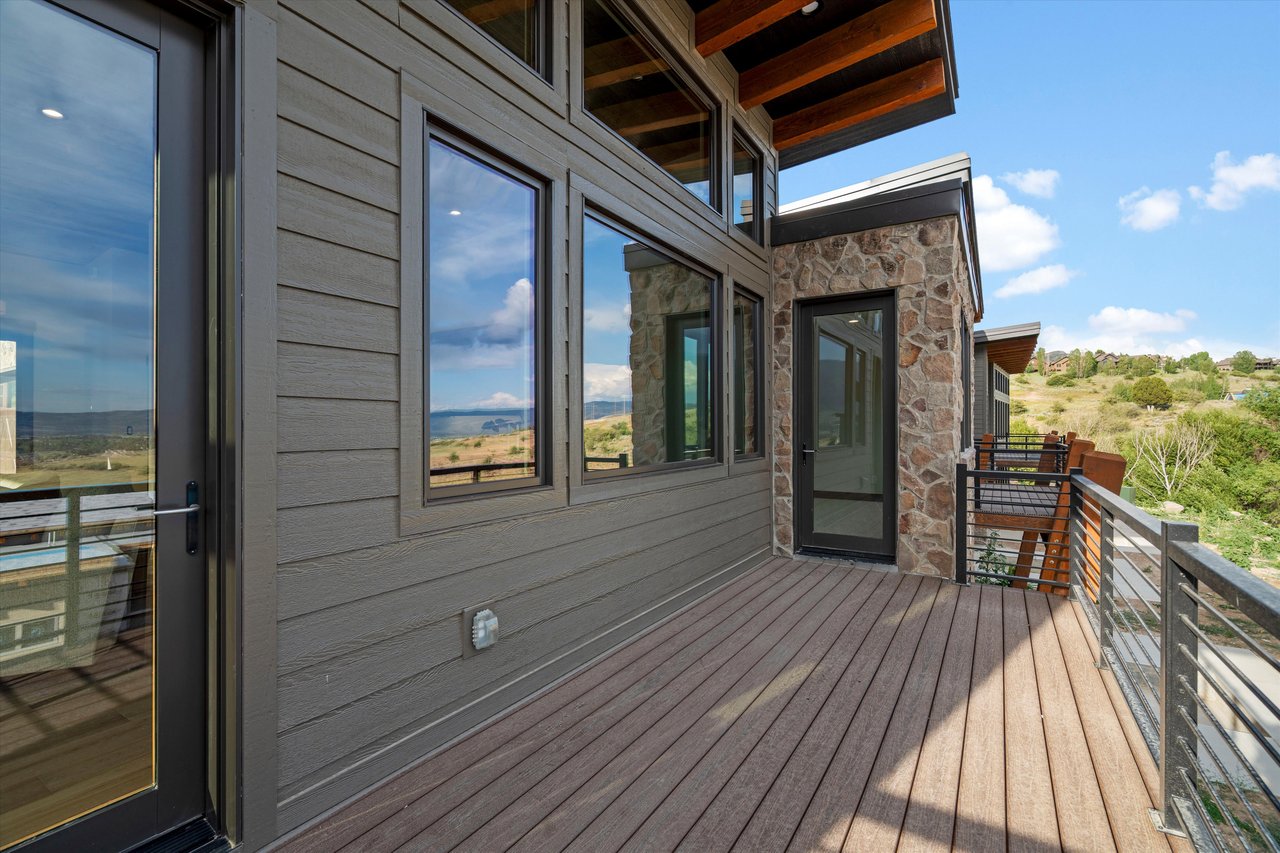
Homes in and around The Fairways lean into a mountain-modern style. You will see clean lines paired with timber, stone accents, and large windows that frame fairways and mountain views. Steeper or metal roofs help shed snow efficiently. Outdoor areas are designed to be used, with decks and patios oriented to views and sun.
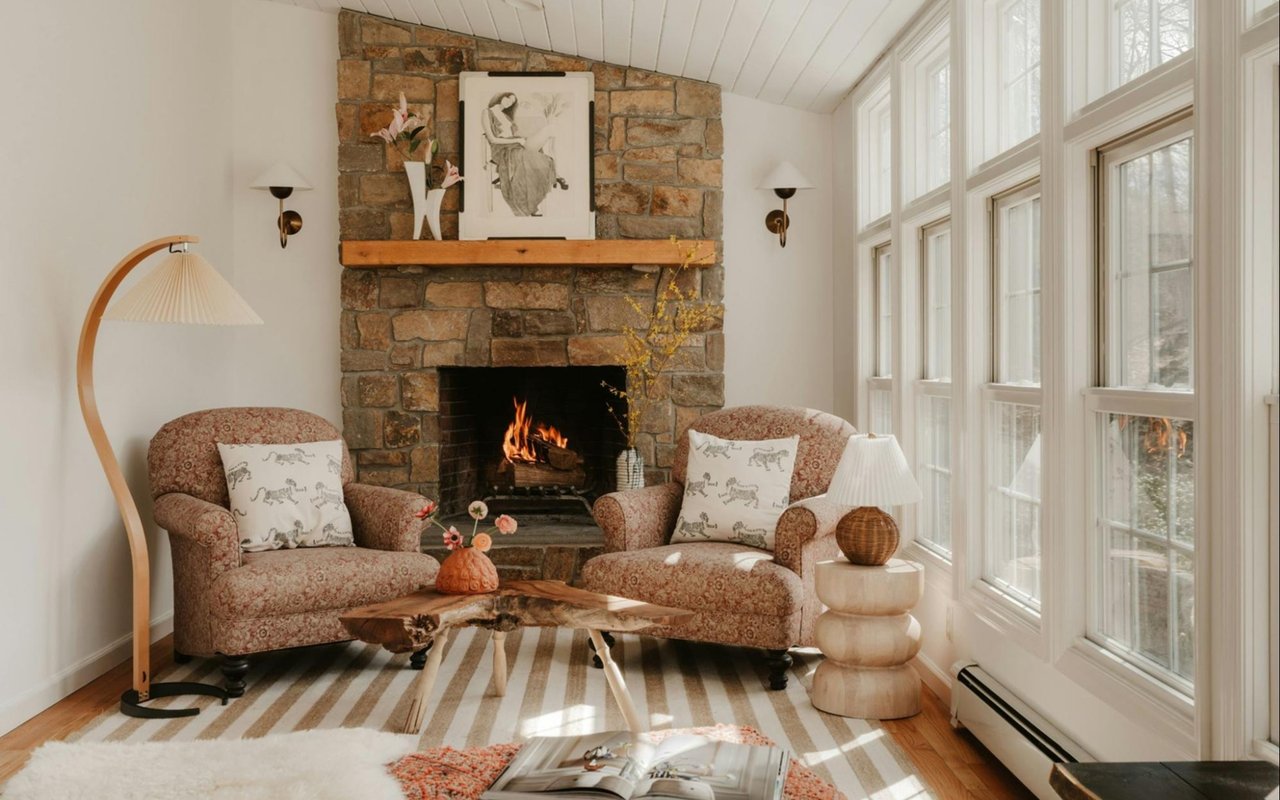
Inside, you can expect open kitchens, airy ceilings, and natural finishes that match the setting. Practical spaces matter here. Mudrooms, gear storage, and flexible guest areas are common because lifestyle and function go hand in hand in a resort valley.
Floor plans that flex
Floor plans vary, but you will often find multi-level living that follows the slope. Condos and townhomes may range from 1 to 3 or more bedrooms, while single-family homes often extend into 2 to 5-bedroom footprints. Many layouts feature ensuite bedrooms, bunk or loft spaces for extra capacity, and 1 to 2-car garages. For buyers who plan to host friends or pay down costs with rentals, that flexibility is a real benefit.
Winter performance details
Smart mountain builds pay attention to efficiency and winter comfort. Look for high-insulation assemblies, efficient HVAC, and where available, heated driveway or garage options. Those features can reduce seasonal wear on systems and make day-to-day living easier during heavy snow.
Golf-course living essentials
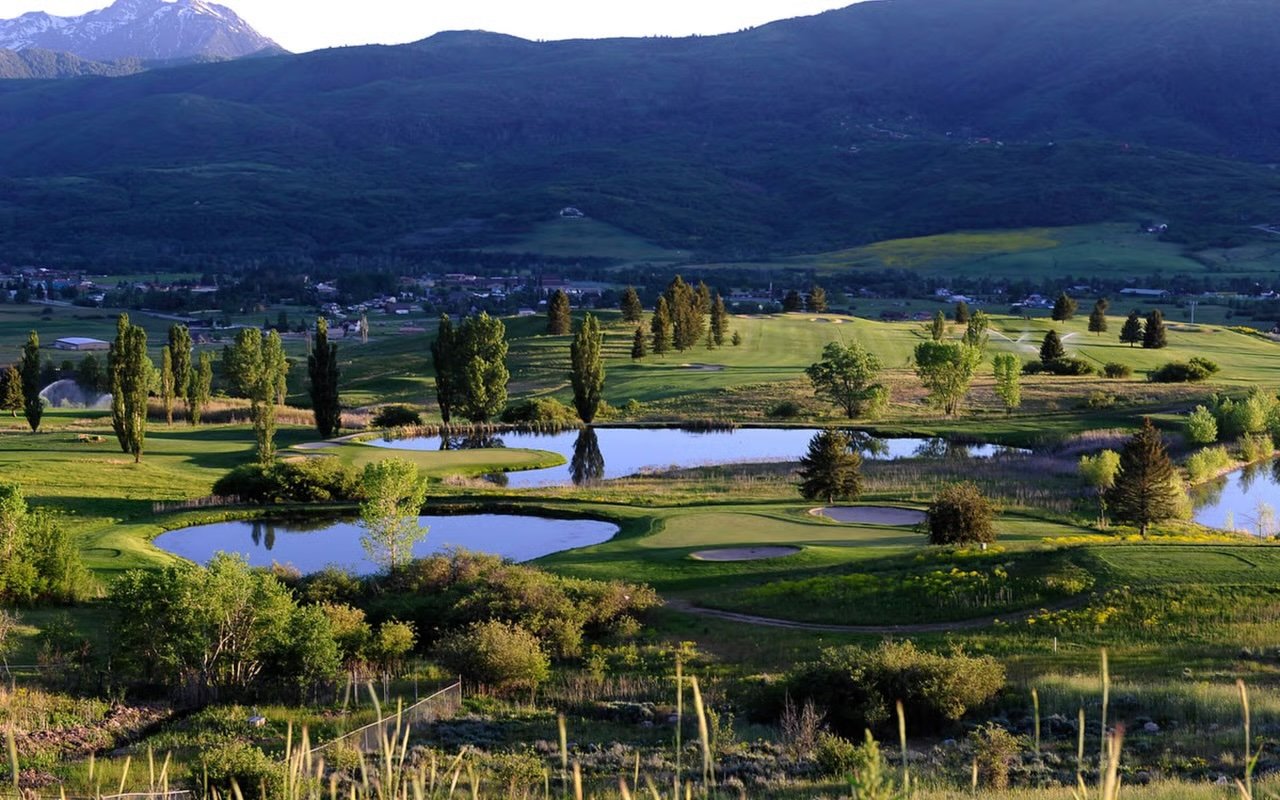
Living by a fairway is a lifestyle choice that brings unique upsides and trade-offs. Fairway-front locations often command better views and can carry a market premium. You should also plan for early morning maintenance activity during the season, along with possible restrictions on fences, landscaping, and setbacks along course edges.
It is important to verify who owns and operates the golf course and whether it is private, semi-private, or part of a larger resort system. Access and upkeep expectations differ across ownership models. Course water-use and maintenance practices can influence adjacent landscaping and view corridors. Ask for any guidelines that apply to your specific lot or building.
Four-season recreation access
Your day can start with a quick trip to Powder Mountain or a lap on local trails. In winter, confirm whether shuttles operate from the Wolf Creek area and how parking works on high-demand days. In summer, Pineview Reservoir draws boaters and paddlers, and nearby trail systems serve mountain bikers and hikers. Cross-country trail grooming in the valley adds to the year-round appeal, which is one reason many owners see strong seasonal variation rather than a single peak.
Short-term rentals and ownership models
Nightly rentals are common in resort communities, but the rules are specific to each address. Before you assume rental rights, gather the documents that govern your unit:
- HOA CC&Rs and rules, including any rental policy, registration, minimum-stay standards, occupancy limits, and required insurance.
- Weber County and applicable municipal STR regulations, including business licensing and any registration process.
- Utah State Tax Commission obligations for transient room and sales/use taxes that apply to lodging.
Some HOAs manage or coordinate rentals, while others allow third-party property managers or owner-direct bookings. Ask whether the HOA has an in-house program, requires approved managers, or imposes caps. If rental income is part of your plan, request written policies before you go under contract.
HOA dues and what to confirm
Resort-area HOAs typically cover common-area maintenance, snow removal, landscaping, and care of amenities such as a clubhouse, pool or hot tub, or fitness space if they exist. Attached products may include portions of exterior insurance. Coverage varies by subdivision, so do not assume.
Request these items early:
- HOA budget and most recent reserve study.
- Meeting minutes for the past 12 to 24 months.
- Special assessment history and any planned capital projects.
- Written rules on parking, pets, rentals, architectural changes, and noise.
These documents reveal financial health, upcoming costs, and how community standards are enforced.
Taxes, insurance, and mountain costs
Check the Weber County Assessor for tax history on the exact parcel you are considering. Insurance needs can be higher for mountain homes due to snow load and freeze risk. If your property is near forested areas, confirm wildfire risk mitigation requirements and how they affect coverage.
Seasonal costs also matter. Heating, snow removal, and deck or roof upkeep can be higher than in non-mountain settings. If you plan to rent, budget for guest turnover services and property management fees in addition to HOA dues and utilities.
Investor checklist: measuring income potential
Every unit performs differently. Ask for actual rental records and verify them against statements from owners or managers. Collect the following for at least the past two to three years:
- Annual gross rent and operating expenses.
- Occupancy by month or season and average daily rate.
- Booking channels used and any HOA calendar controls or caps.
Use this data to calculate gross rent multiplier and cap rate with realistic occupancy. Compare your pro forma to similar nearby units and consider management fees, HOA dues, taxes, supplies, and maintenance. A local property manager can help pressure-test assumptions and suggest minimum stays that balance occupancy with wear.
Due diligence before you write an offer
Documents and disclosures to request
- HOA: CC&Rs, bylaws, rules, rental policy, budget, reserve study, meeting minutes, special assessment history, and any violation records.
- Seller disclosures: structural issues, past water or freeze damage, roof and HVAC age, and any history of ice dams.
- Rental records: calendar, gross and net income for 2 to 3 years, guest reviews if applicable, and the management agreement.
Physical inspection priorities
- Roofs, gutters, and snow-shedding features with attention to ice dam signs.
- Insulation and HVAC performance for prolonged winter occupancy.
- Driveway slope, plowing plan, and snow storage capacity.
- Foundations and retaining walls on sloped sites for settlement or intrusion.
- Deck connections, railings, exterior staining or paint lifecycle.
- Utilities: confirm whether water and sewer are public, and check broadband availability.
Site-specific considerations
- Orientation and sun exposure, with attention to winter sun and seasonal shadows.
- Privacy and noise near tees, greens, or maintenance facilities.
- Parking rules for guests and overnight restrictions, especially for STR use.
- Environmental risk: slope stability, floodplain status, avalanche runout zones where applicable, and wildfire hazard.
Negotiation tips that help
- Request 12 to 24 months of HOA minutes and any correspondence about capital projects or litigation.
- Confirm vendor relationships for snow removal, landscaping, and any pool or hot tub service, and whether contracts transfer.
- If furnishings are included for an STR sale, use an itemized bill of sale for furniture and equipment.
- Consider contingencies for septic or well if applicable, roofing condition, and HVAC performance suited to mountain winters.
Who The Fairways fits
The Fairways tends to attract three buyer types. Second-home owners appreciate easy access to Powder Mountain and a clean modern aesthetic that feels turn-key. Investors look for nightly rental potential that spans both winter and summer peaks. Primary residents choose the area for the outdoor lifestyle and a low-maintenance home that still delivers design and comfort.
Resort markets are seasonal and can be sensitive to broader travel trends, so timing and product type matter. Inventory, days on market, and pricing shift through the year. Use current local data to inform your search and set expectations.
How we help you buy with confidence
You deserve clear guidance, straight answers, and a process that respects your time. We live and work in Ogden Valley, and we help you evaluate the exact property you are considering, not a generic neighborhood profile. We gather HOA documents, review seller disclosures with you, and coordinate inspections suited to mountain conditions. If rentals are part of your plan, we connect you with local property managers for real-world ADR and occupancy insights.
From first tour to closing, our team approach keeps details organized so you can focus on what matters most - how the home will support your life. If The Fairways at Wolf Creek is on your list, we would love to be your local partner.
Ready to explore current opportunities and due diligence tailored to your goals? Connect with the team at Range Realty Co.
FAQs
Are short-term rentals allowed in The Fairways at Wolf Creek?
- Yes, with a minimum 3-nights stay; obtain the written rental policy, registration requirements, and tax obligations before confirming nightly rental rights.
What are the pros and cons of golf-course adjacency in Eden?
- Fairway-front locations often improve views and market appeal, but expect early morning maintenance, possible landscaping and fence restrictions, and setback rules near course edges.
How seasonal is rental demand near Powder Mountain and Pineview Reservoir?
- Demand is typically strongest in winter for skiing and in summer for lake activities, with shoulder seasons varying; use actual unit rental history to set realistic occupancy and rates.
What HOA costs should I budget for at a resort community like The Fairways?
- Many HOAs cover common-area maintenance, snow removal, and landscaping, with amenities and exterior coverage varying; review the budget, reserve study, and minutes for assessments or projects.
What inspections are most important for a mountain-modern home in Eden?
- Prioritize roofing and snow-shedding, insulation and HVAC capability, driveway access in heavy snow, foundation and retaining walls on slopes, and exterior deck and railing integrity.
How do I check taxes and insurance needs for a property in Ogden Valley?
- Review parcel tax history with the Weber County Assessor and consult your insurer on coverage for snow load, freeze damage, runoff, and wildfire risk, based on the home’s exact location and build.