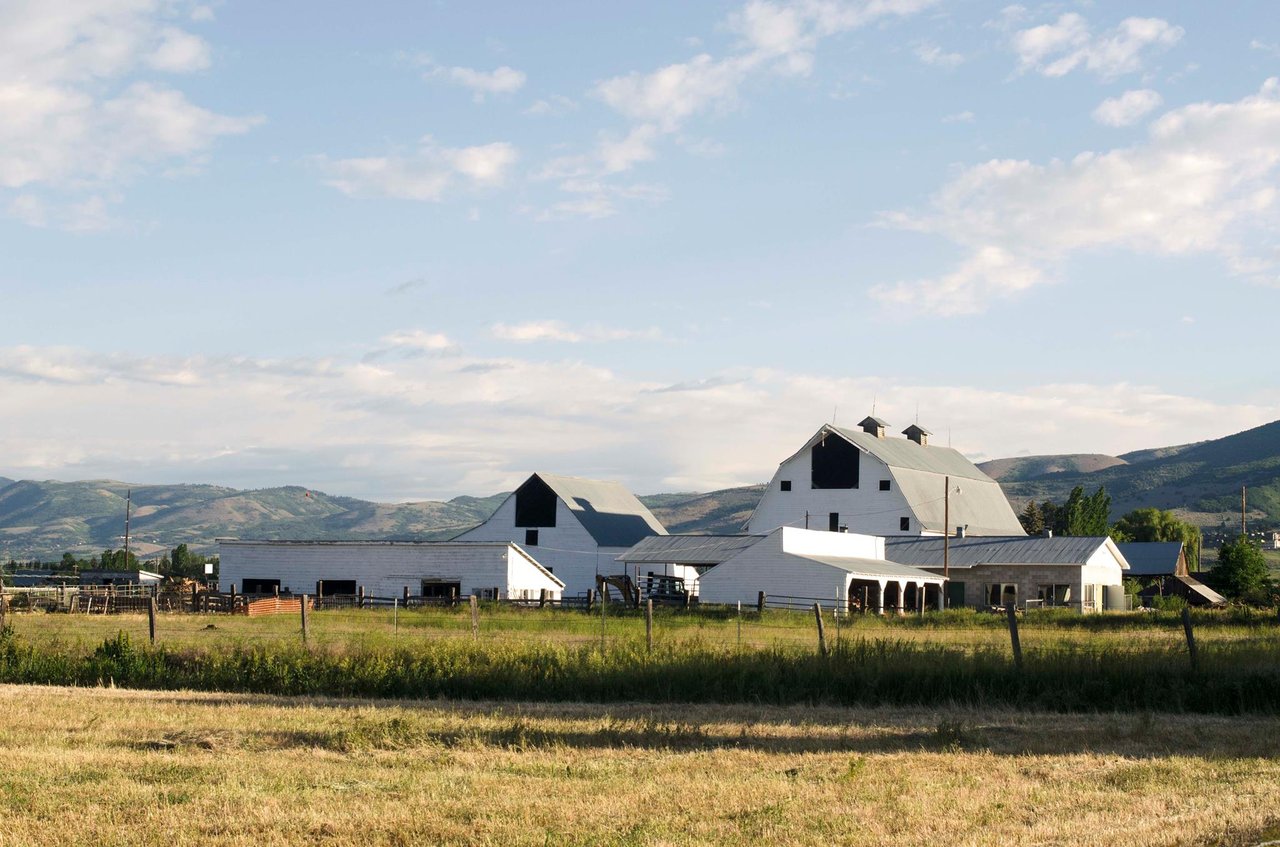
Ogden Valley, Utah sits in a mountain-ringed basin with a story that stretches back nearly two centuries. Long before ski resorts drew winter visitors to Eden and Huntsville, and Pineview Reservoir became a summer destination, this land served as hunting grounds for the Shoshone people and later welcomed fur trappers, pioneers, and homesteaders who shaped the region we know today.
Whether you're considering a move to Ogden Valley or simply exploring the area, understanding its rich heritage adds depth to every drive through town. These historical sites offer a window into the determination and community spirit that built this corner of Utah.
Whether you're considering a move to Ogden Valley or simply exploring the area, understanding its rich heritage adds depth to every drive through town. These historical sites offer a window into the determination and community spirit that built this corner of Utah.
Key Takeaways
-
Eden's pioneer settlement dates to 1859, with several original structures and monuments still standing today.
-
Nearby Huntsville preserves significant historical landmarks, including the David O. McKay Home and the Robert F. Aldous Cabin.
-
The former Trappist Monastery site represents a unique chapter of religious and agricultural history in the region.
-
Golden Spike National Historical Park and Historic 25th Street in nearby Ogden connect Eden and Huntsville to the broader story of westward expansion.
Sunnyfield Barn in Eden
Sunnyfield Barn is s significant under Criterion C in the Area of Architecture as a quintessential example of an Improvement Era Barn. It was constructed in 1927, which is also the period of significance. In the Farm Bureau’s annual report, they called it a “demonstration barn” because it was built as a model of best practices to show other farmers. Modern features included washable concrete floors, gutters, and long rows of windows for light. This design accommodated new milking machines they had recently acquired. A detached milk house kept the milk clean and refrigerated. Utah State University’s Extension Service provided plans for the “ground stable” design. The reason it became a demonstration barn was that two brothers George and Virgil Stallings built it during the time that George Stallings served as President of the Utah Farm Bureau. In this role serving twenty thousand members, George advocated for farmers and shared ways they could increase their efficiency, sanitation, and yields. Upon the barn’s completion in 1927 and during subsequent years, local Farm Bureau members toured the barn to benchmark ways that they could better their operations. The very term “Improvement Era barn” highlights that it was built during a period of farming modernization, and this barn epitomized the movement. Today, it is significant as the largest and most recognizable architectural landmark in Eden, similar to but smaller than the McPolin barn in Park City (NRIS #03000155). It is also the largest extant Improvement Era barn in the Ogden Valley and a physical reminder of Ogden Valley’s agricultural past.
Highlights of this Working Farm
-
Sunnyfield Barn is now home to a farm shop, names Sunnyfield Farms & Meats.
-
Farm tours available by appointment.
-
Sunnyfield Meats specializes in high quality meat and local farm goods.
-
Home to a custom butcher shop helping livestock with processing from field to freezer.
The David O. McKay Home in Huntsville
Just a few minutes from Eden, the town of Huntsville preserves one of Utah's most significant religious landmarks. The McKay family home, built in 1870, stands as the birthplace and childhood residence of David O. McKay, who served as president of The Church of Jesus Christ of Latter-day Saints for 19 years.
The home represents a rare example of Gothic Revival architecture from territorial Utah. While David McKay Sr. served a mission in Scotland, his wife Jennette oversaw a major expansion of the original two-room structure, adding three bedrooms and distinctive Victorian details that remain visible today. The home is listed on the Utah Historical Register.
The home represents a rare example of Gothic Revival architecture from territorial Utah. While David McKay Sr. served a mission in Scotland, his wife Jennette oversaw a major expansion of the original two-room structure, adding three bedrooms and distinctive Victorian details that remain visible today. The home is listed on the Utah Historical Register.
Highlights of this Victorian-era residence
-
Original furnishings and vintage-era furniture throughout every room
-
A piano transported by covered wagon from the East Coast by Jennette McKay's father
-
A shadowbox memorial featuring handcrafted chicken-feather flowers honoring two McKay daughters who died in childhood
-
Tours available by appointment through the McKay family
The Robert F. Aldous Cabin
Huntsville claims another distinction as home to the oldest standing structure in the region. The Robert F. Aldous Cabin, built in 1861, represents the first cabin constructed in Huntsville and offers visitors a tangible connection to the earliest days of settlement.
Former congressman Gunn McKay and his wife Donna donated the cabin, which underwent final restoration in 1993. The log structure now serves as a preserved artifact of pioneer construction techniques and the determination of families who carved homesteads from wilderness.
Former congressman Gunn McKay and his wife Donna donated the cabin, which underwent final restoration in 1993. The log structure now serves as a preserved artifact of pioneer construction techniques and the determination of families who carved homesteads from wilderness.
Visiting information
-
Location at the corner of 200 South and 7400 East in Huntsville
-
Summer tours available from June through August on Saturdays from 11:00 a.m. to 1:00 p.m.
-
The Huntsville History Center nearby houses extensive collections of typed histories, wedding records, and obituaries
-
Additional historical displays at the former fire station converted into a small museum
The Former Trappist Monastery Site
One of the most unexpected chapters in local history unfolded on 1,050 acres south of Huntsville. In 1947, thirty-two Trappist monks, many of them World War II veterans, established the Abbey of Our Lady of the Holy Trinity. For seventy years, this Catholic monastery operated as one of the oldest in the Western United States.
The monks became beloved neighbors, selling fresh-baked bread, handcrafted clocks, and their famous creamed honey from the Abbey's bookshop. At its peak in the 1960s, the monastery served 84 monks and novices. The abbey closed in 2017, its remaining monks too elderly to maintain operations, but the land has been protected through a conservation easement. The property continues agricultural production today, with original outbuildings, a dairy barn, and the monastery cemetery still standing.
The monks became beloved neighbors, selling fresh-baked bread, handcrafted clocks, and their famous creamed honey from the Abbey's bookshop. At its peak in the 1960s, the monastery served 84 monks and novices. The abbey closed in 2017, its remaining monks too elderly to maintain operations, but the land has been protected through a conservation easement. The property continues agricultural production today, with original outbuildings, a dairy barn, and the monastery cemetery still standing.
The monastery's lasting legacy
-
A 1,050-acre conservation easement now protects the property as permanent open space
-
Original outbuildings including a wood-turning barn where monks crafted clocks remain standing
-
The monastery cemetery holds the graves of monks who served the community for decades
-
McFarland Family Farms continues the agricultural traditions the monks established
Golden Spike National Historical Park
About an hour northwest of Eden, one of the most significant sites in American history commemorates the completion of the first transcontinental railroad. On May 10, 1869, the Central Pacific and Union Pacific railroads met at Promontory Summit, and a ceremonial golden spike marked the moment that connected the nation coast to coast.
This event directly shaped the growth of the entire region. The railroad transformed nearby communities into bustling hubs of commerce and migration, bringing waves of new residents westward. The park features functioning replica steam locomotives, reenactments of the historic ceremony, and hiking trails along the original railroad grade where you can still see drill marks from workers who blasted through rock formations.
This event directly shaped the growth of the entire region. The railroad transformed nearby communities into bustling hubs of commerce and migration, bringing waves of new residents westward. The park features functioning replica steam locomotives, reenactments of the historic ceremony, and hiking trails along the original railroad grade where you can still see drill marks from workers who blasted through rock formations.
Planning your visit
-
Replica Jupiter and No. 119 locomotives operate May through October
-
The Big Fill Loop Trail offers a 1.5-mile hike through original construction sites
-
East and West auto tours follow the Central Pacific and Union Pacific grades
-
The visitor center screens five short films covering different aspects of railroad history
Historic 25th Street in Ogden
While technically located on the other side of the mountain from Eden, Historic 25th Street represents an essential piece of regional history that shaped the communities throughout the area. The completion of the transcontinental railroad transformed Ogden into a major junction city, and 25th Street became the epicenter of activity for travelers and residents alike.
The street earned nicknames like "Two-Bit Street" and "Electric Alley" during its more colorful eras, when it hosted hotels, restaurants, and establishments of more questionable reputation. Today, the three-block historic district features the most complete collection of turn-of-the-century commercial architecture in Utah. Union Station anchors the west end, now housing the Utah State Railroad Museum, the John M. Browning Firearms Museum, and the Browning-Kimball Classic Car Museum.
The street earned nicknames like "Two-Bit Street" and "Electric Alley" during its more colorful eras, when it hosted hotels, restaurants, and establishments of more questionable reputation. Today, the three-block historic district features the most complete collection of turn-of-the-century commercial architecture in Utah. Union Station anchors the west end, now housing the Utah State Railroad Museum, the John M. Browning Firearms Museum, and the Browning-Kimball Classic Car Museum.
What draws visitors today
-
Dozens of original late-1800s and early-1900s buildings with preserved facades
-
The rebuilt Union Station with multiple museums celebrating regional heritage
-
Weekly farmers markets and monthly First Friday Art Strolls
-
Restaurants, galleries, and independently owned shops in historic storefronts
Frequently Asked Questions
Can I tour the David O. McKay Home in Huntsville?
Private tours of the McKay Home are available by appointment for groups and organizations. Contact John McKay at 801-633-7368 to schedule a visit. The home contains original furnishings, family artifacts, and Victorian-era details that offer a genuine glimpse into 19th-century Utah life.
How far is Golden Spike National Historical Park from Eden?
Golden Spike National Historical Park is approximately one hour northwest of Eden, near Brigham City. The drive takes you through scenic northern Utah terrain. Plan to spend two to three hours at the park to fully experience the replica locomotives, visitor center films, and hiking trails along the original railroad grade.
Discover Eden's Heritage with Range Realty Co.
History adds meaning to every property and neighborhood. At Range Realty Co., we bring decades of experience and deep roots in Eden, Huntsville, and the surrounding mountain communities. Whether you're drawn to the pioneer spirit of these historical sites or the world-class recreation that defines the area today, our team is here to help you find your place in this remarkable region. Reach out to start the conversation about making Eden home.