If you are eyeing a home or homesite at Powder Mountain, you already know the appeal: quiet ridgelines, deep snow, and big views over Ogden Valley. The reality on the ground is that mountain property here is beautiful and also complex. If you want fewer surprises, you need clear facts about the land, snow loads, access, utilities, and permits before you commit. This guide walks you through the key checks that smart buyers and builders complete in 84310 so you can move forward with confidence. Let’s dive in.
Powder Mountain at a glance
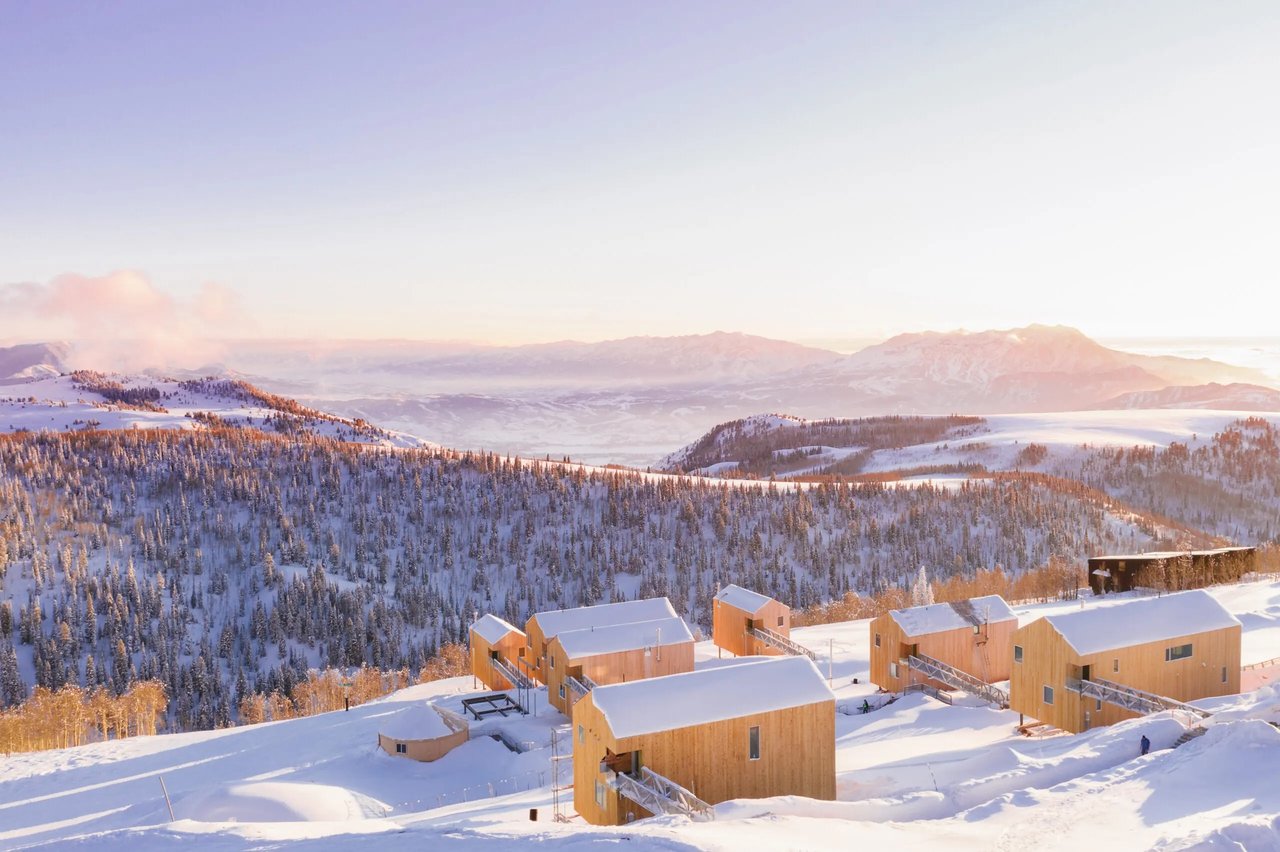
Powder Mountain sits above Eden and Huntsville, with neighborhoods spread across ridgelines and bowls rather than broad valley floors. The resort highlights a large footprint and very high natural snowfall, which shape both lifestyle and design needs on the mountain.
Published elevation ranges often cited for Powder Mountain run from a base around 6,900 feet to lift-served summits near 9,000 feet and above. These are helpful for context, but your lot’s exact elevation and aspect are what matter most for design and access. See a general overview of the mountain’s elevations in the Powder Mountain summary.
Recent development also includes a private, neighborhood-style product at Powder Haven with build-ready homesites, lifts, and amenities. That offering signals higher expectations for architectural controls, infrastructure, and HOA oversight.
The land: slopes, soils, and what they mean
Most Powder Mountain neighborhoods sit on steep slopes, benches, and ridgelines. That topography can require more grading, specialized retaining, and engineered foundations compared with a flat valley lot. Local geotechnical studies have documented common conditions such as shallow bedrock, shrink-swell soils, slope stability risks, debris-flow pathways, and localized radon potential.
Treat a site-specific geotechnical and geologic hazards study as a baseline requirement before purchase or design. The Utah Geological Survey’s archive lists many Powder Mountain subdivision reports, which show the kinds of recommendations you should expect. Start your research at the UGS GeoData search portal.
Snow, avalanche, and structural loads
Powder Mountain is known for heavy, natural snowfall. That does not translate into a single design number for every lot. Roof and drift loads depend on your site’s elevation, aspect, and wind exposure.
In Utah, structural snow loads are set using ASCE 7 under the state building rule and confirmed by the local building official. For high-elevation or unlisted areas, you need a site-specific ASCE 7 ground-snow assessment and sign-off by Weber County. Read the state framework in the Utah Administrative Code and plan to engage a structural engineer early.
Avalanche hazard is another real factor in this zone. The Utah Avalanche Center publishes an Ogden-area forecast and often references Powder Mountain conditions during storm cycles. If a parcel sits beneath or near steep terrain, build in time for an avalanche-hazard screening and design setbacks. Check the UAC Ogden forecast during due diligence and ask how your road, driveway, and entries are protected from slide paths and drifted snow.
Access and winter operations
Reaching the mountain in winter can be part of the adventure. It also affects daily life and construction logistics. Avalanche mitigation on SR-158 (Powder Mountain Road) can trigger full road closures to the public during operations, which may delay contractors, deliveries, and service providers. Review current practices and seasonal restrictions on UDOT’s Ogden Valley road updates.
Driveway grades, turnarounds, and emergency access standards are also critical on steep sites. Weber County planning discussions have highlighted maximum grades, lengths, and turning radii as approval criteria for projects in the Ogden Valley. Confirm who clears your roads and drive, where snow is stored, and what standards apply.
Utilities and community infrastructure
Water and sewer in the Powder Mountain area are managed by the Powder Mountain Water & Sewer Improvement District. Availability, connection points, and fee schedules depend on the district’s current capacity and the status of mains near your lot. Ask for a written service letter early, including hook-up fees and any special assessments for extensions. Start with the PMWSID website.
Electric, gas, and communications vary by neighborhood and distance from existing lines. Some remote lots may need propane, generator backup, or non-fiber internet solutions. Do not assume high-capacity broadband on a ridgeline without checking the exact parcel.
Permits, overlays, and design controls
Weber County’s planning framework for Ogden Valley includes the Sensitive Lands Overlay, which influences siting, setbacks, and building envelopes for ridgelines, scenic corridors, and streams. Historic resort approvals also included conditions for open space, wastewater treatment, wildfire mitigation, and plan submittals for construction, landscape, lighting, and signs. Expect these conditions to guide new residential development at Powder Mountain.
Within private communities, you will also navigate CC&Rs and architectural design review. Powder Haven and other neighborhoods publish building envelopes, architectural standards, and review procedures. Ask the seller or developer for the full CC&Rs and design guidelines for your tract.
Build new or buy existing?
Building can deliver a home tailored to your site and lifestyle, but it often costs more and takes longer on the mountain. You should budget for site-specific geotechnical work, engineered foundations, robust structural design for snow and drift loads, larger stormwater controls, and seasonal hauling limits. These are common needs in Powder Mountain subdivisions documented by local technical reports. You can browse precedent studies through the UGS GeoData portal.
Buying an existing home offers instant access, established driveways and hookups, and a maintenance history. Older homes may not meet today’s structural or energy standards, and many need upgrades for snow management and drainage. When you tour, ask for records of past geotechnical work, any avalanche-related incidents, and snow and drainage improvements.
Your due diligence checklist
Use this list to cover the essentials before you commit to a lot or a home:
- Get the recorded plat, CC&Rs, and any neighborhood design guidelines. Confirm building envelopes, easements, and shared infrastructure.
- Order a current topographic survey and a site-specific geotechnical and geologic hazards study. Start background research using the UGS GeoData archive, then commission a new lot-level report.
- Commission an ASCE 7 ground-snow assessment tied to your lot’s elevation and aspect. Confirm the accepted method with Weber County as outlined in the state building rule.
- Request a written PMWSID service letter with availability, connection points, fees, and any planned capacity projects or assessments if the seller doesn't already have one. Begin at pmwsid.gov.
- Confirm winter access and closures. Review UDOT’s Ogden Valley closure and restriction notices and ask who maintains your roads and driveway after storms.
- Ask the seller for maintenance and incident history, including snow, drainage, slope, or avalanche issues, and copies of any prior geotechnical or structural reports.
- Budget for mountain-specific costs: staging and hauling, rock excavation, retaining walls, higher-capacity roof systems, energy-performance upgrades for elevation, and erosion control on steep slopes.
- Assemble a local team early. You will want a geotechnical engineer, a structural engineer familiar with ASCE 7 mountain cases, a contractor with steep-site experience, and an architect who understands local design review.
How we help you move forward
Buying or building at Powder Mountain rewards careful planning. When you know how the land, snow, access, utilities, and approvals interact, your choices get clearer and your risk drops. If you want a grounded, local partner to source the right property and manage a clean process, we are here to help. Connect with Range Realty Co to talk through a plan that fits your goals in 84310.
FAQs
What makes building at Powder Mountain different from building in the valley?
- Lots are on steeper terrain with heavier snow, which usually means more grading, engineered foundations, larger stormwater controls, seasonal access limits, and higher structural design requirements than a typical valley lot.
How do I determine the roof snow load for my Powder Mountain lot?
- Hire a structural engineer to run an ASCE 7 ground-snow assessment tied to your lot’s elevation and aspect, then confirm the value with Weber County under the state building rule.
Who provides water and sewer service at Powder Mountain?
- The Powder Mountain Water & Sewer Improvement District manages service, capacity, and hook-up fees; ask for a written service letter and connection details from PMWSID.
Are winter road closures common on the way to Powder Mountain?
- SR-158 can close during avalanche mitigation, which affects daily access and construction logistics; check UDOT’s Ogden Valley road updates for current restrictions.
Should I buy an existing home or build new at Powder Mountain?
- Buy existing for immediate use and known history, but expect possible upgrades for snow and energy; build new for a tailored design, while budgeting for geotechnical work, engineered structures, and seasonal logistics unique to the mountain.