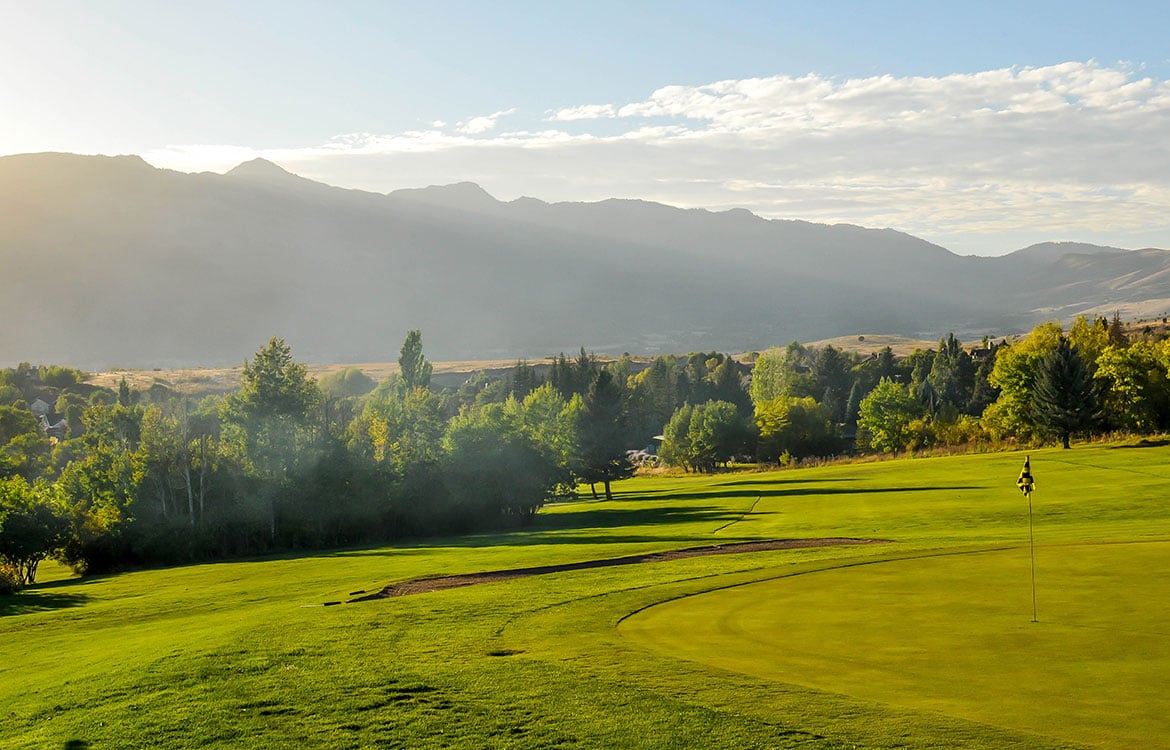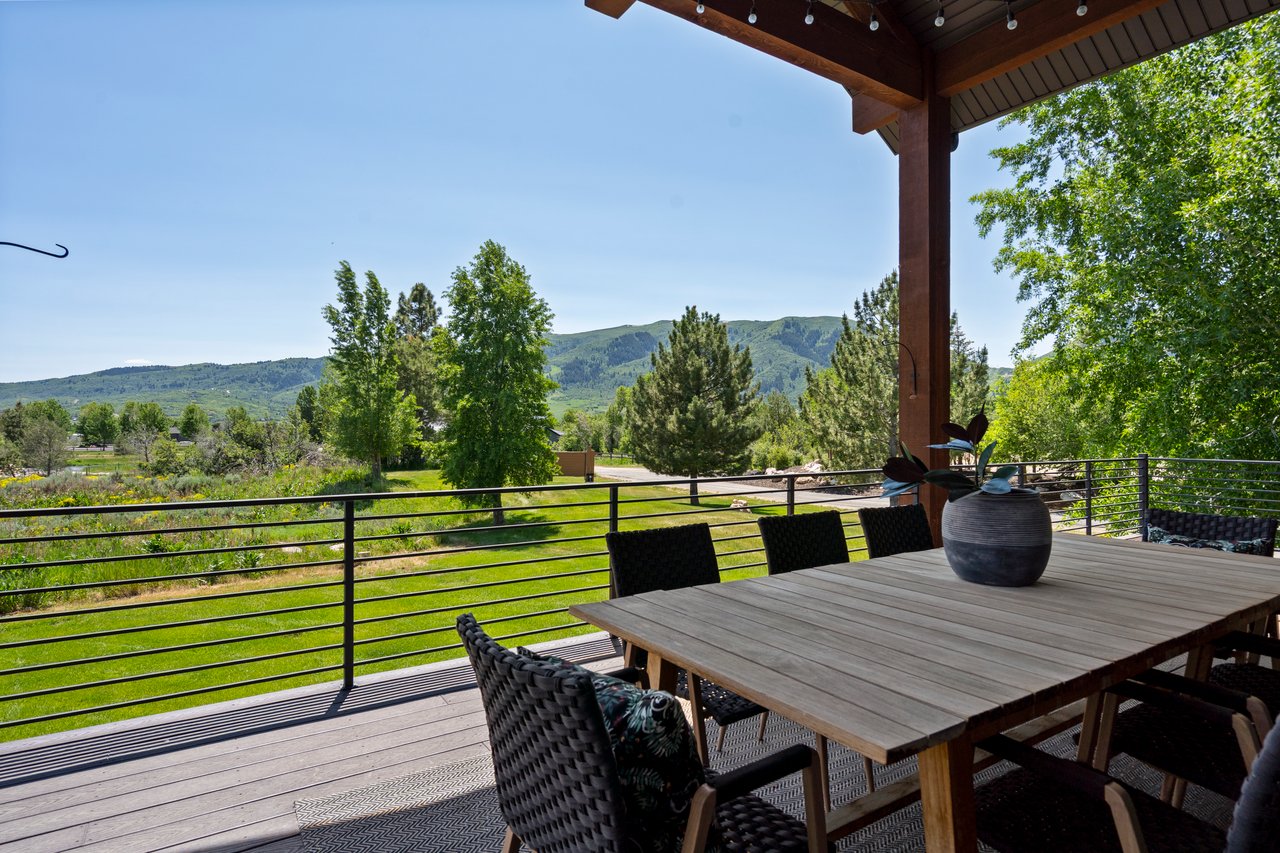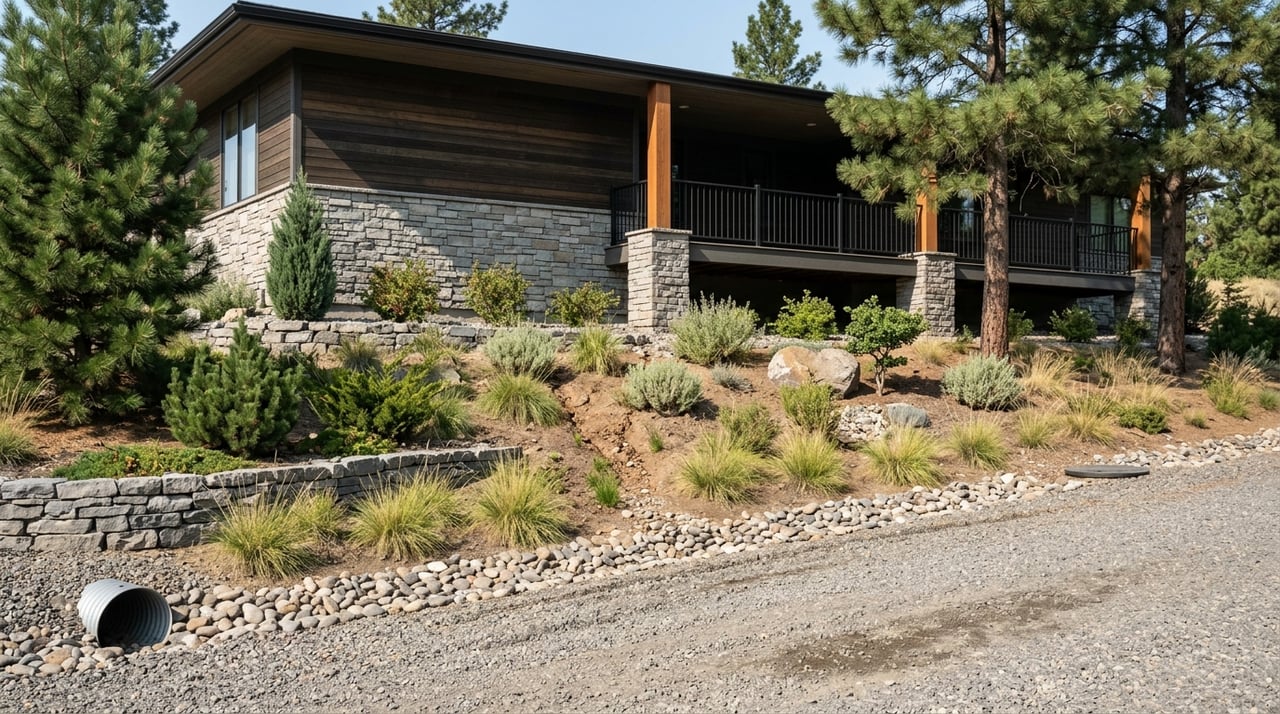
If you are dreaming about acreage and big mountain views in Liberty, it is easy to fall in love with a listing before you understand what the land can actually do. In this part of Ogden Valley, two properties with similar price tags and similar views can have very different rules, utility options, and build potential. This guide will help you compare Liberty acreage and view property with more confidence, so you can focus on the parcels that truly fit your goals. Let’s dive in.
Why Liberty draws acreage buyers
Liberty is part of Ogden Valley City in Weber County, a predominantly rural area that the city describes as shaped by open lands, agricultural heritage, dark skies, and recreation. The valley covers about 64 square miles and averages roughly one resident per 5.3 acres, which helps explain why privacy, space, and scenery are such a big part of the appeal.
For many buyers, the value of Liberty land is tied to what surrounds it. Nearby access to Snowbasin, Powder Mountain, Nordic Valley, Pineview Reservoir, Causey Reservoir, and North Fork Park adds lifestyle appeal that goes beyond the lot lines. If you want a home base for skiing, trail access, or quiet mountain living, Liberty stands out for its rural feel and recreation access.
Compare more than the view
A great view matters, but it should never be the only reason you choose a parcel. In Liberty, orientation, slope, road access, utilities, and local overlays can all shape how easy a property is to use and build on.
That means the smartest buyers compare usable land, not just total acreage. A lot may look ideal on paper and still come with access limits, hillside review, or utility hurdles that affect your timeline and costs.
Check access first
Access can be just as important as scenery, especially in winter. Ogden Valley City says SR-39, SR-158, and SR-167 are maintained by UDOT, so snow removal, closures, and road construction on those routes are handled by the state.
If a parcel depends on one of those roads, that can affect year-round convenience and storm-day access. It can also influence driveway planning, especially on steeper or more exposed lots.
Scenic corridor access rules
Some view parcels fall near scenic corridors and ridge-line areas covered by the Sensitive Lands Overlay. In those areas, the code says direct access points and driveways to scenic-corridor roadways should be minimized, and shared or common driveways are encouraged.
That matters because a property may have beautiful frontage but still face limits on how access is designed. A flatter lot with simpler access can sometimes be easier to build on than a more dramatic parcel with tighter corridor standards.
Understand slope and buildable area
Slope is one of the biggest hidden differences between acreage properties in Liberty. When average slopes reach 25 percent or more, hillside review applies and buyers may need detailed engineering, contours, retaining-wall design, geotechnical information, and erosion-control measures before permits can move forward.
Those standards exist to reduce fire, flood, erosion, sewage-disposal, and grading problems. In practical terms, they can add complexity to the design and approval process.
Acreage does not equal usable space
One of the most important takeaways for Liberty land buyers is this: larger acreage does not always mean a larger building area. The Sensitive Lands code increases minimum lot area and width as slope rises, so steep land can shrink the portion of the parcel that is realistically usable.
That is why you should look beyond the total acre count and ask about the actual buildable area. Two five-acre lots can feel completely different once slope, setbacks, and access are factored in.
Verify water and wastewater early
Utility service in the valley is not one-size-fits-all. Weber County lists multiple culinary water providers and sewer districts in the Ogden Valley area, including Liberty Pipeline Company, Eden Water Company, Powder Mountain Water & Sewer District, Wolf Creek Sewer Improvement District, and Liberty Irrigation Co.
Because service is fragmented, every parcel needs to be verified separately. You should not assume a city-style connection is available just because another property nearby has one.
Septic feasibility matters
Water and wastewater questions are especially important in Liberty. Ogden Valley’s general plan says most culinary water sources are from wells, and the valley’s hydrology is constrained.
If a lot will rely on onsite wastewater, Weber-Morgan Health Department says septic systems are not suitable for every area or situation. The department also requires a feasible culinary water source, and if a private well is used, that well must be permitted, installed, and approved before an onsite wastewater permit can be issued.
Know the rules that shape the land
Liberty buyers should expect parcel-specific research, not broad assumptions. Ogden Valley City’s land-use resources identify code chapters buyers are likely to encounter, including Sensitive Lands Overlay, Forest Zone, Hillside Residential, Agricultural Zones, Residential Estate Zone, Outdoor Lighting, and Design Review.
The city also notes that buyers should check the code regularly for updates. That makes current verification especially important when you are comparing lots in 2026.
Recorded plats can add another layer
Zoning is only part of the story. Recorded subdivision plats and development agreements can also create building envelopes, buildable areas, stream-corridor setbacks, or other conditions that are specific to the parcel.
In other words, two lots in the same zone may still come with different practical limits. Reviewing the recorded plat can reveal constraints that are not obvious from the zoning label alone.
Common lot types in Liberty
Liberty buyers often look at several different zoning categories without realizing how different they are in day-to-day use. Here is a simple way to think about some of the common options.
Residential Estate lots
The RE-15 and RE-20 zones are low-density residential estate options intended to protect residential development in a semi-agricultural or rural environment. Minimum lot area is 15,000 square feet in RE-15 and 20,000 square feet in RE-20, with larger minimums used for some rural or animal-related uses.
These parcels often suit buyers who want a larger homesite and some rural flexibility. They can allow accessory buildings, home occupations, limited animal uses, and private stables, but they are still more residential in structure than a working agricultural property.
AV-3 agricultural parcels
AV-3 is often the closest fit for buyers who want what they think of as a hobby-ranch style property. The zone says agriculture is the preferred use, supports low-density rural residential development, and protects agricultural operations under the Utah Right to Farm Act.
A single-family dwelling requires 3 acres, minimum lot width is 150 feet, and horses are allowed with density limits and at least 1 acre required to keep horses. If you want room for animals, barns, grazing, or production uses, AV-3 is usually a more direct fit than a standard estate lot.
Forest zone parcels
Forest zones are geared toward protecting mountainous, forested, or naturalistic land while supporting low-impact recreation. Minimum lot area is 5 acres in F-5 and 40 acres in F-40, with wide minimum lot widths.
These properties may appeal if you want privacy, trees, and a more remote setting. They are generally a different match than land meant for horse facilities or a more typical rural homesite.
Hillside Residential property
Hillside Residential, or HR, is more residentially oriented than many acreage parcels. The code says it is intended to allow compact residential development in a limited area while preserving surrounding rural and agricultural character.
If a property feels more like a mountain-access neighborhood than a true acreage site, HR may be the better comparison. It can make sense for buyers who want views and resort proximity without the maintenance or scale of larger land.
Views often come with design limits
One of the most interesting things about Liberty view property is that the rules are often designed to protect the viewshed itself. In scenic corridors and ridge-line areas, the code says structures should remain visually subordinate to the skyline and avoid creating a silhouette effect.
The code also includes standards tied to height, materials, fencing, and landscaping. On ridge lines, structures generally should not exceed 30 feet and should use neutral natural colors and non-reflective materials.
Dark-sky expectations
Dark skies are part of the area’s identity, and lighting standards support that. Weber County’s dark-sky guide says new construction lighting should be night-sky friendly, directed downward, shielded to avoid spillover, and generally 3000 Kelvin or cooler.
For buyers, that affects both design choices and the feel of the property at night. A parcel with a stunning evening view may also come with expectations that keep lighting more restrained and compatible with the surrounding area.
Fence and landscape considerations
Visual standards can also affect the site plan in small but meaningful ways. In scenic corridors, chain-link fencing is not permitted, and landscape planning may be used to reduce visual impact.
These requirements are worth understanding early. They can shape how you approach privacy, entry design, and the overall look of the finished property.
A smart due diligence plan
When you are comparing Liberty acreage or view property, a clear checklist can save time and reduce surprises. We recommend focusing on these questions early in the process:
- Does the parcel rely on SR-39, SR-158, or SR-167 for access?
- Is the lot affected by scenic corridor, ridge-line, stream corridor, or other sensitive land standards?
- What is the actual buildable area after slope, setbacks, and overlays are considered?
- Is culinary water available, and from which provider?
- Will the parcel use sewer or onsite wastewater?
- If septic is needed, what approvals and water-source steps are required?
- Are there recorded plats or development agreements that create building envelopes or added restrictions?
- What lighting, fencing, or visual-design standards apply?
Why local guidance matters
Buying land in Liberty is different from buying a standard in-town lot. The combination of slope, access, utilities, overlays, and recorded parcel conditions means the best property for you is usually the one that fits your plans on paper and on the ground.
That is where local context matters. When you understand how recreation access, rural infrastructure, and land-use standards work together in Ogden Valley, you can make better decisions and avoid chasing a parcel that looks perfect but does not fit your goals.
If you are exploring acreage, view property, or mountain homesites in Liberty, Range Realty Co can help you compare options with local insight and a clear, grounded process.
FAQs
What should you check before buying acreage in Liberty, Utah?
- You should confirm access, slope, buildable area, water source, wastewater options, zoning, overlays, and any recorded plat conditions before moving forward.
How do scenic corridor rules affect Liberty view property?
- Scenic corridor rules can influence driveway design, fencing, structure placement, height, materials, and how visible a home appears from nearby roads and ridge lines.
Can every Liberty lot use a septic system?
- No. Weber-Morgan Health Department says septic systems are not suitable for every area or situation, and onsite wastewater approval depends on factors including a feasible culinary water source.
What zoning is common for hobby-ranch style property in Liberty?
- AV-3 is often the clearest match for buyers seeking agricultural-style land because it supports low-density rural residential development and agricultural uses, including horses with density limits.
Why does slope matter so much on Liberty land?
- Slope can trigger hillside review, increase development complexity, and reduce usable building area even when the total acreage looks generous.
Are dark-sky lighting standards relevant when buying land in Liberty?
- Yes. New construction lighting in the area is expected to be night-sky friendly, directed downward, shielded, and generally 3000 Kelvin or cooler.